How to Clear Your CIPD Level 3, 5, and 7 HR Modules Without the Stress
For professionals pursuing a career in Human Resources or Learning and Development across Great Britain, a Chartered Institute of Personnel and Development (CIPD) qualification is the gold standard. However, balancing a full-time corporate role with the exhaustive demands of CIPD coursework can quickly feel overwhelming. The strict emphasis on practical application, business metrics, and case studies leaves little room for error.
If you are struggling to bridge the gap between HR theory and real-world implementation, securing professional cipd assignment help uk can help you maintain your career momentum without sacrificing your personal life. Let us look at how you can navigate these vocational milestones smoothly while meeting the strict criteria set by your assessors.
"Advanced HR qualifications demand more than standard theoretical knowledge; candidates must demonstrate how strategic people management directly influences organizational performance." - Senior HR Advisor, Corporate Development Institute
When professional schedules make it difficult to give your modules the attention they deserve, accessing structured student support can be a game-changer. Let us explore the core strategies needed to elevate your professional portfolio.
1. Decoding the CIPD Assessment Structure: Why Candidates Struggle
Unlike standard university assignments, CIPD assessments are highly corporate and practical. They simulate real business scenarios—requiring you to develop board papers, analytical briefs, or strategic workforce reports. Why do so many experienced professionals struggle to pass these units on their first attempt?
The primary hurdle is moving away from purely descriptive text. Your assessors already know the textbook definitions of employee engagement or performance appraisals; they want to see your analytical skills in action. Have you evaluated how a specific retention strategy impacts a company's financial bottom line?
To score high marks, you must back your arguments with current industry data and modern legislative frameworks, such as the UK Equality Act 2010. Ensuring your report mirrors real-world workplace problem-solving is the most reliable way to secure a definitive pass.
2. Understanding Command Verbs to Protect Your Grades
A major area where candidates lose critical marks is failing to match the depth of their response to the specific command verbs in the brief. Every assignment prompt contains precise instruction words that dictate your structural approach. How can you ensure you are meeting these exact requirements?
If an assessment brief asks you to 'Evaluate' or 'Analyse' a human resource management policy, simply 'Describing' it will result in a failing grade. An evaluation requires you to look at both sides of an HR strategy, highlight potential risks, and provide a reasoned justification for your final recommendation. Reviewing your brief line by line before beginning your research ensures you do not miss these subtle structural requirements.
3. Integrating Strategic HR Literature and Models
To pass advanced Level 5 and Level 7 modules, your arguments cannot rely on personal opinions alone. Every workplace solution you propose must be grounded in established academic theory and strategic frameworks. Which models should you prioritize to add academic authority to your coursework?
- The Harvard Framework: Excellent for analyzing how long-term human resource strategies influence stakeholder interests and situational factors.
- The Ulrich Model: Essential for discussions regarding HR business partnering and structuring corporate human resource functions for maximum efficiency.
- CIPD Profession Map: Use the core values and knowledge areas outlined directly by the CIPD to align your report with contemporary professional standards.
Tracking down relevant journal articles while managing full-time work commitments can be incredibly exhausting. Utilizing reliable academic guidance and targeted coursework help can save you hours of research time, allowing you to focus on mastering the practical concepts.
Frequently Asked Questions About CIPD Assessments
What is the difference between CIPD Level 3, Level 5, and Level 7 assignments?
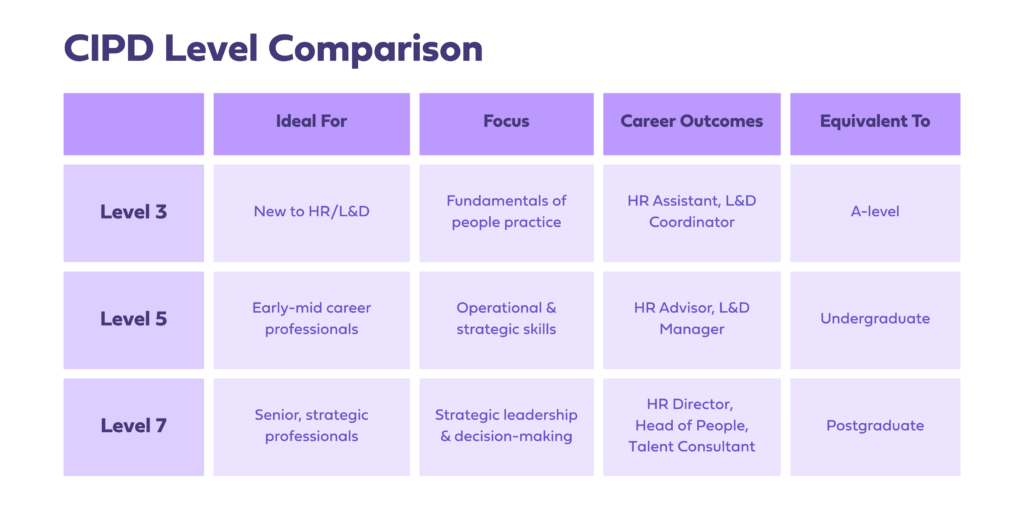
Level 3 is foundational, focusing on core tactical execution and operational procedures. Level 5 is undergraduate equivalent, demanding deeper strategic analysis and management-level decision-making. Level 7 is postgraduate level, requiring complex business leadership, critical evaluations of global corporate frameworks, and extensive research synthesis.
Can your service help with specific CIPD modules like 5CO01 or 7CO01?
Yes. Our academic support consultants assist with all core and elective units across current CIPD curriculum frameworks. This includes organizational performance, evidence-based practice, employment law, talent management, and strategic reward structures.
How do you ensure my corporate data remains confidential?
We take professional privacy incredibly seriously. If your assignment requires referencing a real organizational case study, our experts can completely anonymize all company names, internal financial figures, and employee details, ensuring your workplace identity remains fully protected.
Secure Your Professional Progression Today
Clearing your professional modules does not have to mean sacrificing your weekends or risking burnout. By mastering command verbs, focusing on critical evaluation, and grounding your ideas in the official CIPD Profession Map, you can complete your portfolio with absolute confidence.
If your upcoming submission deadline is creating unnecessary professional stress, our team is ready to provide tailored guidance. Explore the specialized assignment assistance options at britishassignment.com to keep your career moving forward. Let our professional tutors help you secure your qualifications efficiently and securely.